
The Revolution
From the courage and convictions of the Founding Fathers to the lesser-known yet indispensable figures who helped secure independence, The Revolution Series uncovers the remarkable events, unlikely victories, and undeniable miracles that preserved the cause of freedom against overwhelming odds during this pivotal moment in human history. These are not merely stories from the past, but an inheritance every American should know, cherish, and take pride in — for such a time as this.
The Revolution
From the courage and convictions of the Founding Fathers to the lesser-known yet indispensable figures who helped secure independence, The Revolution Series uncovers the remarkable events, unlikely victories, and undeniable miracles that preserved the cause of freedom against overwhelming odds during this pivotal moment in human history. These are not merely stories from the past, but an inheritance every American should know, cherish, and take pride in — for such a time as this.
Play
What was the Revolution’s Hardest Mission? | William Elliot Hazelgrove
In this episode of Socrates in the City’s The Revolution, host Eric Metaxas is joined by author William Elliott Hazelgrove to explore his book Henry Knox’s Noble Train: The Story of a Boston Bookseller’s Heroic Expedition That Saved the American Revolution and the remarkable story of the brilliant young bookseller whose courage, determination, and ingenuity helped save the American army at one of its most critical moments. We trace Knox’s extraordinary relationship with George Washington and the audacious mission that carried the cannons from Fort Ticonderoga to Boston through snow, mountains, and seemingly impossible conditions—a feat that became one of the most consequential achievements of the American Revolution. Hazelgrove reveals the tenacious character of a man driven by duty, excellence, and a desire to prove himself worthy of Washington’s trust, while also highlighting the often-overlooked sacrifices of Knox’s wife and family, whose steadfast support made his service possible. More than a military hero, Knox emerges as a man of integrity and wisdom, and his story stands as a powerful reminder of the courageous men and women whose sacrifice, character, and devotion helped shape the nation’s founding.
Was King George III Really a Tyrant? | Andrew Roberts
What if history’s most influential figures have been misunderstood? In this special Fourth of July episode of The Revolution, Lord Andrew Roberts, Baron of Belgravia—renowned historian, professor, and bestselling biographer—joins Socrates in the City host Eric Metaxas to explore the complex humanity behind some of history’s greatest leaders. Known for bringing iconic figures to life beyond the myths and caricatures that often define them, Roberts offers fresh insight into personalities ranging from King George III and Napoleon to Winston Churchill.
Together, they examine the pivotal decisions, relationships, and moments that shaped the course of history, asking provocative questions along the way: If King George III had been surrounded by better advisors, could the American Revolution have been avoided? Looking beyond the familiar narrative of the Founding, this conversation uncovers the lesser-known side of Britain’s most famous monarch, his role in the Revolutionary War, and the lasting legacy of the choices made by those who stood closest to power.
Can Freedom Survive Without Faith? | Os Guinness
Are we the heirs of Athens, Rome, and Jerusalem—or more precisely, Athens, Rome, and the Burning Bush of the desert? In this episode of The Revolution, Socrates in the City host Eric Metaxas is joined by the prolific author and theologian Os Guinness to discuss his book, The Magna Carta of Humanity: Sinai’s Revolutionary Faith and the Future of Freedom as America approaches its 250th anniversary and the world marks the 500th anniversary of William Tyndale’s English Bible. This conversation examines the spiritual and intellectual foundations of the American experiment and the ongoing legacy. Tracing a path from the covenant at Mount Sinai through the Reformation and into the founding of the United States, the discussion explores how biblical ideas of liberty, moral responsibility, and human dignity shaped a revolution unlike those driven by utopian visions. Drawing on the insights of Alexis de Tocqueville and Os Guinness’s “golden triangle of freedom,” the conversation contrasts America’s faith-infused origins with the rise of modern secular ideologies such as Marxism and fascism, while confronting the competing narratives and cultural pressures facing young Americans today. At its heart is a question as urgent as ever: what beliefs must a people hold in order to remain both free and human?
Are We Virtuous Enough? | Joe Loconte
Was America’s success driven not only by generals and statesmen, but by a physician whose moral vision helped shape the nation’s soul? In this episode of The Revolution, Socrates in the City host, Eric Metaxas, is joined by author and friend, Joseph Loconte to explore the untold story of Benjamin Rush, a founder whose influence stretched far beyond the battlefield. A signer of the Declaration of Independence, pioneering physician, abolitionist, and advocate for religious faith in public life, Rush devoted himself to healing both the young republic and its people. While others fought the war on the front lines, Rush confronted the suffering within military hospitals, championed humane treatment for the mentally ill, and helped lay the foundations of modern psychiatry. His Christian convictions inspired acts of reconciliation, shaped his pursuit of justice, and even influenced figures such as Thomas Paine. Through his friendship with John Adams and his enduring question—”Are we virtuous enough?”—this conversation explores whether America can remain faithful to the principles that gave it birth and why Benjamin Rush may be the most important Founding Father we’ve forgotten.
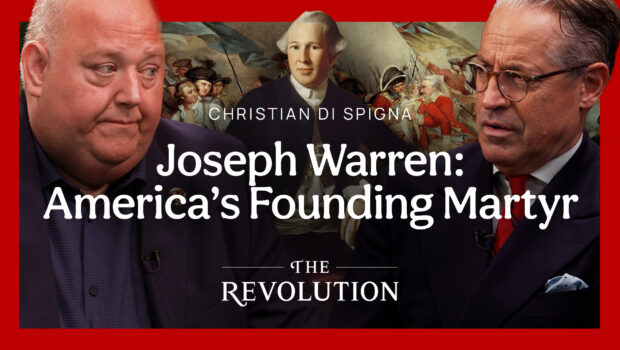
Joseph Warren: America’s Founding Martyr | Christian di Spigna
Why isn’t Dr. Joseph Warren a household name? In this episode of The Revolution, Socrates in the City host Eric Metaxas is joined by Christian Di Spigna to discuss his book Founding Martyr: The Life and Death of Dr. Joseph Warren, the American Revolution’s Lost Hero. The conversation explores the remarkable life of one of the Revolutionary era’s most influential yet overlooked figures. A trusted physician, member of the Sons of Liberty, and President of the Massachusetts Provincial Congress, Warren stood at the center of the movement for independence, serving as a brilliant strategist and indispensable power broker while navigating the delicate line between longstanding friendships with the British and an unwavering commitment to American liberty. From his role in some of the most pivotal events leading up to the Revolution to his leadership, courage, and ultimate sacrifice at the Battle of Bunker Hill in 1775, Warren helped shape the course of a nation. This discussion uncovers the man behind the legend—his intellect, determination, personal struggles, and enduring legacy—and makes a compelling case for why Joseph Warren deserves a far more prominent place in the American story.
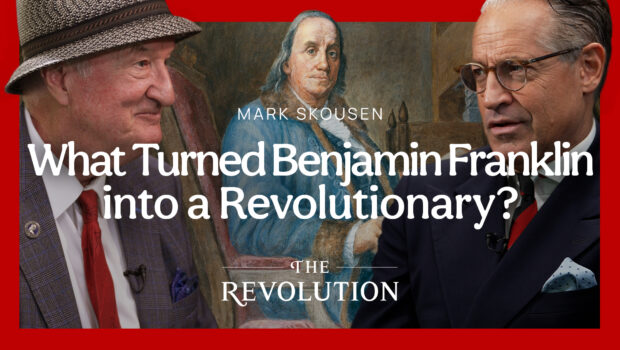
What Turned Benjamin Franklin into a Revolutionary? | Mark Skousen
In this episode of The Revolution, Socrates in the City host Eric Metaxas is joined by author and descendant of Benjamin Franklin, Mark Skousen, to discuss the fascinating history of one of the first Americans. Throughout the conversation, the two explore Franklin’s remarkable evolution from loyal British subject to passionate advocate for independence, including the little-known edit he made to the Declaration of Independence and why it mattered. Skousen shares the dramatic events that shaped his political transformation, from his efforts at reconciliation to the infamous Cockpit Incident, a public humiliation that changed the course of his life—and perhaps the course of history. In this conversation, we discover the surprising story of the man often called “the First American” and the pivotal role he played in the birth of a nation.

George Washington and the Making of a Nation | Eric Metaxas
What was it really like to lead a revolution against the most powerful empire in the world? In this exclusive interview, Socrates in the City host Eric Metaxas sits down with George Washington to reflect on the challenges, victories, and defining moments that shaped both his life and the birth of a nation. From the hardships endured by the Continental Army to the leadership decisions that altered the course of history, Washington offers an intimate look at the character, perseverance, and conviction required to secure American independence. Filled with surprising stories, personal insights, and a behind-the-scenes view of some of the Revolution’s most pivotal moments, this conversation brings history to life and reveals the man behind the legend.

What is the Meaning of America? | Eric Metaxas
What does America mean, and what ideas gave rise to the greatest experiment in self-government the world has ever known? At the official release party for REVOLUTION: The Birth of the Greatest Nation in History, Eric Metaxas shares the inspiration behind his sweeping and definitive account of the American Revolution, uncovering surprising stories and overlooked figures that helped shape the nation’s founding. From the moral courage and deep convictions of the American patriots to the extraordinary sacrifices required to secure liberty, this conversation explores the character, ideals, and faith that animated the Revolution. As America celebrates the Supercentennial year of its birth, Metaxas invites us to rediscover the beauty, complexity, and enduring promise of the American story.
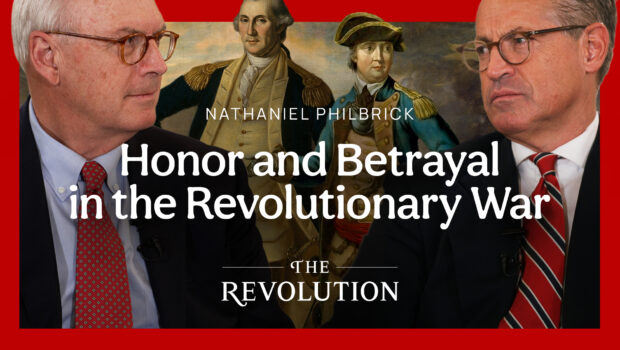
Honor and Betrayal in the Revolutionary War | Nathaniel Philbrick
How did George Washington become the indispensable leader of the American Revolution? In this episode of The Revolution, bestselling historian Nathaniel Philbrick joins Socrates in the City host Eric Metaxas to trace Washington’s extraordinary journey through the triumphs, failures, and hard-earned lessons that transformed him from an inexperienced commander into the indispensable leader of the American cause. Set against the backdrop of a war that was as chaotic as it was creative, Philbrick reveals how Washington’s character, resilience, and unwavering sense of duty grew alongside the Revolution itself. Throughout the conversation, Philbrick explores the partnership with French General Rochambeau and the brilliant campaign that culminated at Yorktown as well as the deeply personal side of Benedict Arnold’s shocking betrayal and the profound challenges Washington faced behind the scenes. Set against the chaos and creativity of a nation being born, this conversation offers a compelling portrait of the man who grew alongside the Revolution and emerged as the founder the moment required.
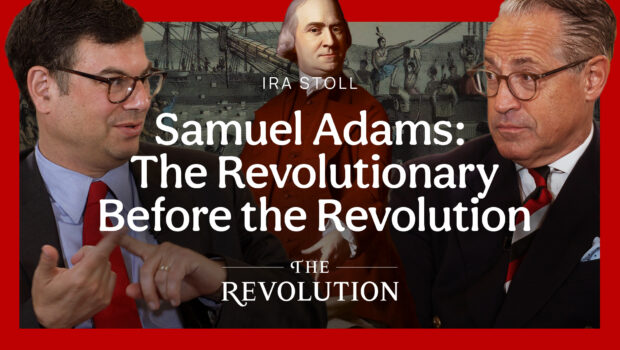
Samuel Adams: The Revolutionary Before the Revolution | Ira Stoll
In this episode of The Revolution, host Eric Metaxas is joined by Ira Stoll, author of Samuel Adams: A Life, as they explore the enduring legacy of Samuel Adams, the often-overlooked visionary who helped lay the intellectual and moral groundwork for the American Revolution long before the first shots were fired. Through his passionate defense of liberty, relentless organizing, and ability to rally ordinary citizens to an extraordinary cause, Adams became one of the driving forces behind America’s fight for independence. Recorded in Lexington—just steps from the historic grounds where the Revolution began—this conversation brings history vividly to life while examining how Adams’s ideas and courage continue to shape the American spirit today.

Rage and the Republic | Jonathan Turley
Why do most revolutions collapse into chaos, tyranny, or bloodshed, while the American Revolution produced one of the most enduring republics in history? In this episode of Socrates in the City’s Revolution Series, host Eric Metaxas is joined by American author and legal scholar, Jonathan Turley to discuss his book, Rage and the Republic: The Unfinished Story of the American Revolution. They use Thomas Paine’s journey as the lens through which to explore that question. A man who stood at the center of both the American and French Revolutions, Paine embodied the brilliance and danger of revolutionary fervor itself: visionary yet reckless, prophetic yet deeply flawed. Alongside his unlikely friendship with Benjamin Franklin, this conversation examines why America succeeded where so many revolutions failed, the tension between liberty and rage, and the enduring invitation of the American experiment today.
As America approaches the 250th anniversary of its founding, The Revolution Series from Socrates in the City invites viewers to rediscover the extraordinary story of the birth of the United States of America. Hosted by Eric Metaxas, this new series features conversations with leading historians, authors, and scholars exploring the people, ideas, and providential moments that shaped the American Revolution and forged the American Experiment.
From the courage and convictions of the Founding Fathers to the lesser-known yet indispensable figures who helped secure independence, The Revolution Series uncovers the remarkable events, unlikely victories, and undeniable miracles that preserved the cause of freedom against overwhelming odds during this pivotal moment in human history.
These are not merely stories from the past, but an inheritance every American should know, cherish, and take pride in — for such a time as this.
Pre-order Eric Metaxas’ new book, REVOLUTION: The Birth of the Greatest Nation in the History of the World, which brings the epic of America’s birth to life so fully that you will feel you are a part of the story.